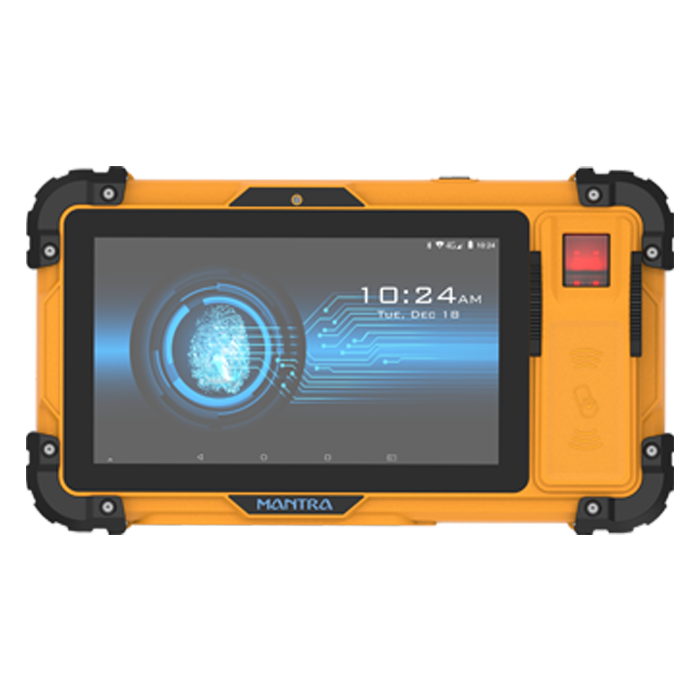
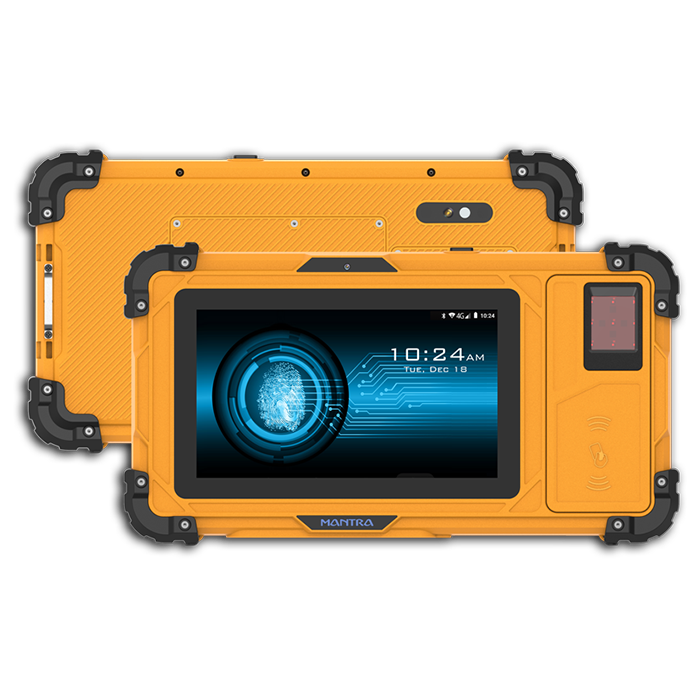
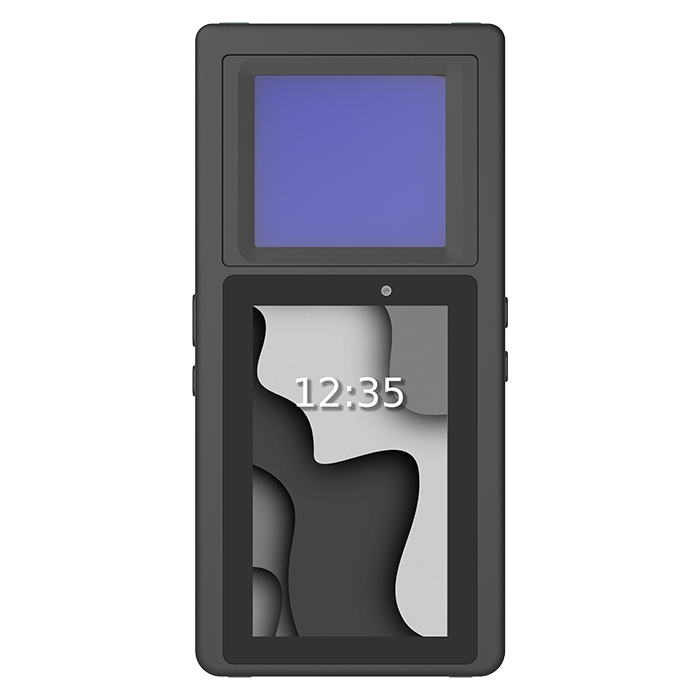
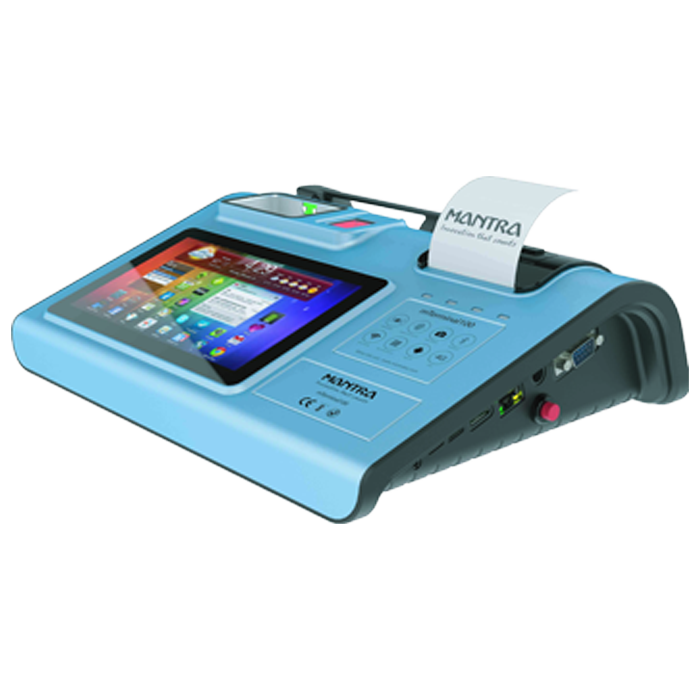



Mobile Biometric Enrollment for Border Control: Secure Identity Verification in the Field
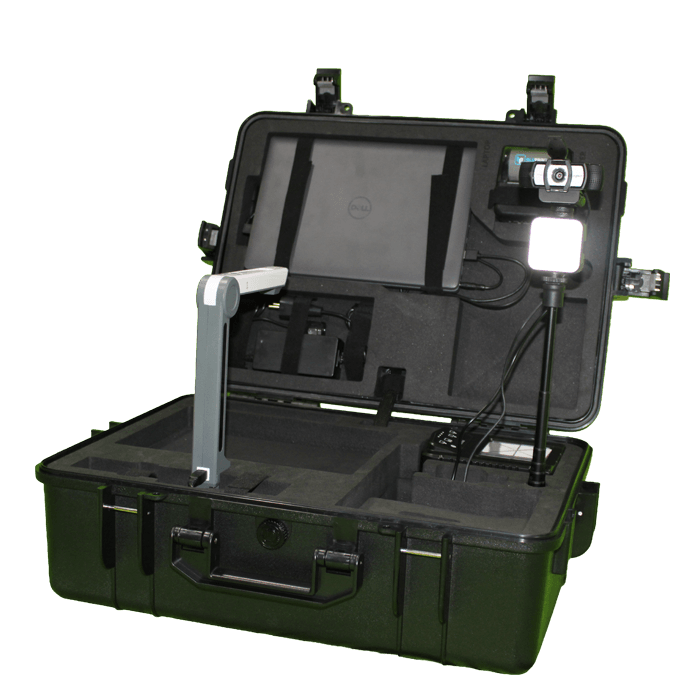
Border control does not always happen inside a fully equipped immigration facility. Officers may need to verify identities at remote land crossings, temporary checkpoints, airports, seaports, or during mobile inspection operations. In these environments, biometric capture equipment must work as a part of the field ready identity workflow.
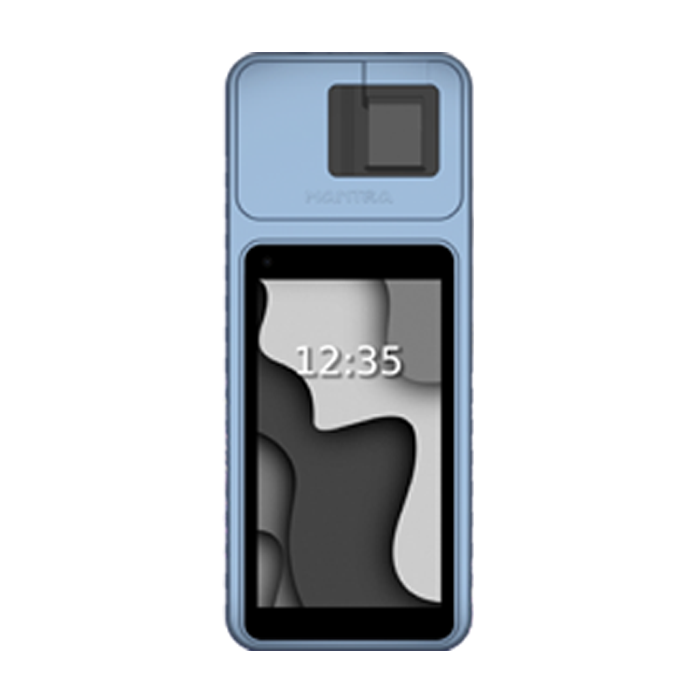
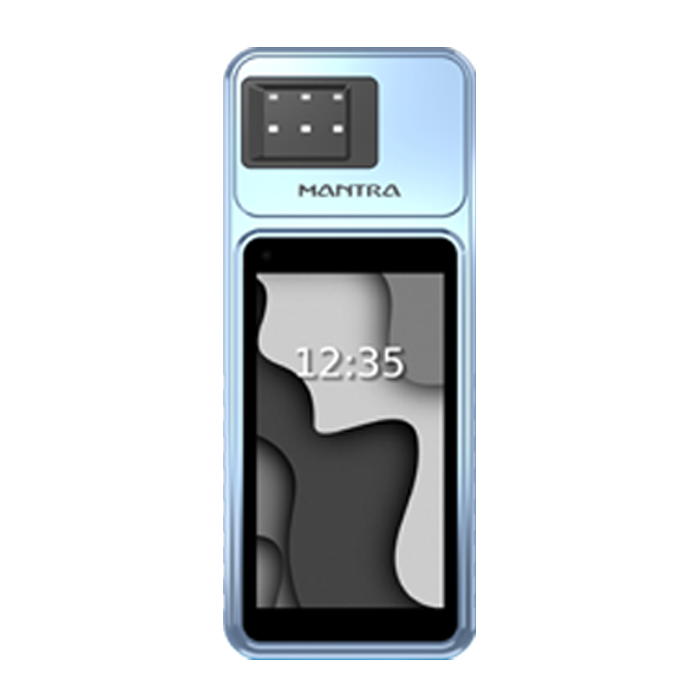
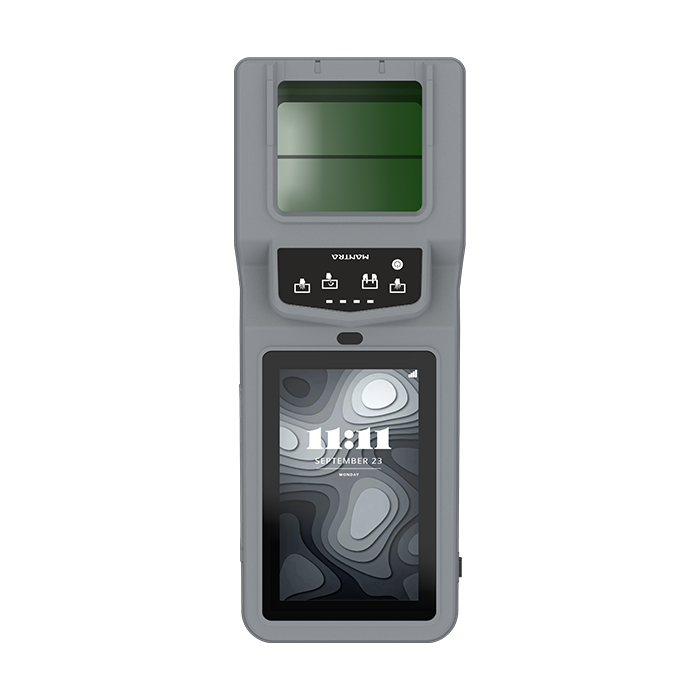
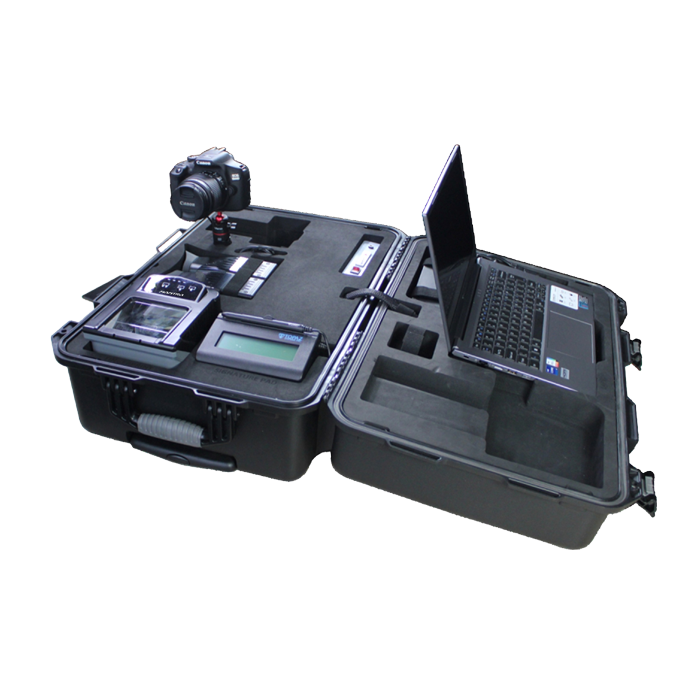
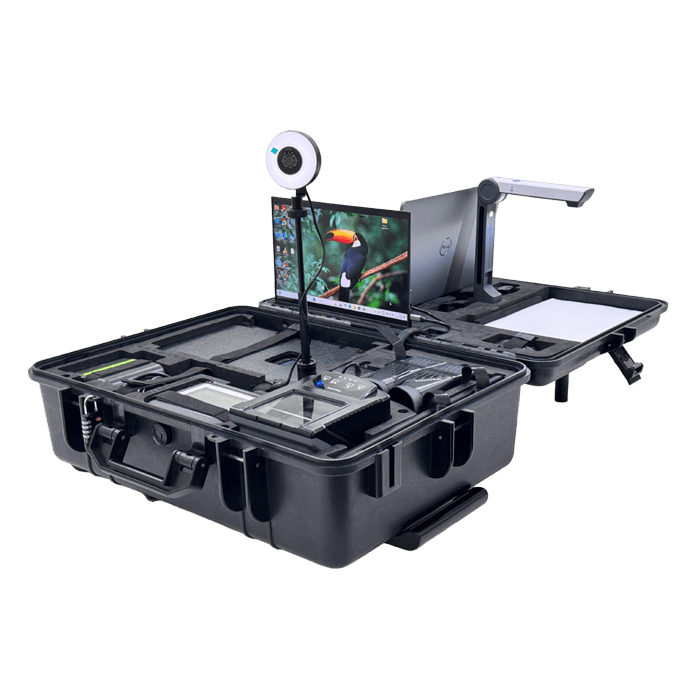
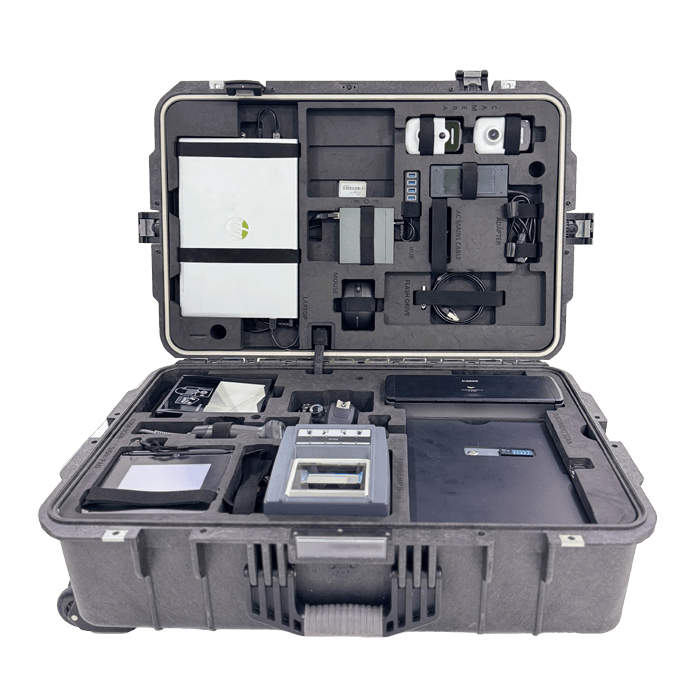
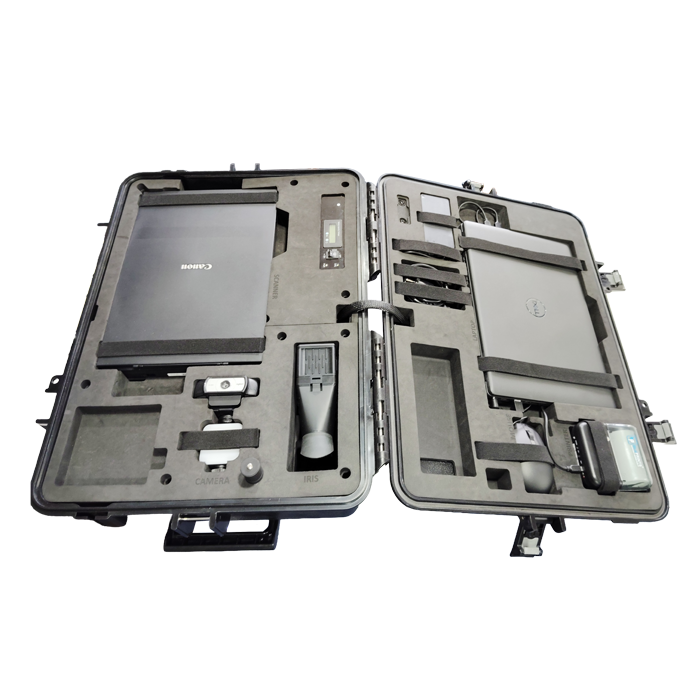
Mobile biometric enrollment for border control extends fingerprint, facial, Iris, and document-based identity operations beyond fixed enrollment centers. It allows authorized personnel to capture biometric data, verify identities, and connect field operations with centralized identity systems where connectivity and infrastructure permit.
Among the fingerprint capture technologies available for mobile identity operations, FAP 60 is particularly relevant when an operation requires simultaneous capture of multiple fingers and high-quality fingerprint images.
What is Mobile Biometric Enrollment for Border Control?
Mobile biometric enrollment is the process of capturing & registering a person’s biometric information using portable equipment outside a conventional fixed enrollment center.
In a border control environment, an officer may capture fingerprints, a facial image, iris data, and identity document information using an integrated mobile biometric platform. The captured information can then be processed and compared against an authorized identity database or matching system, depending on the architecture of the deployment.
This approach supports identity workflows where people and officers may need to operate away from permanent infrastructure.
A typical workflow can include:
- Presenting an identity document or travel credential
- Capturing demographic information
- Capture fingerprints
- Capturing a facial image or iris data
- Assessing biometric image quality
- Processing the captured information
- Querying an authorized identity database
- Performing identity verification or identification
- Recording the transaction and completing the border workflow
The biometric device performs the capture. The broader identity platform performs processing, matching, database queries, and decision workflows.
Why Mobile Biometrics Matter at Border Control?
Border environments vary considerably. A major international airport may have dedicated biometric infrastructure, while a remote land crossing may operate with limited network connectivity and physical infrastructure.
Mobile biometric systems can support both environments by moving biometric capture closer to the point where identity verification is required.
Verification at Remote Location
Mobile biometric equipment can allow authorized officers to capture biometric information at locations where fixed enrollment infrastructure is unavailable or impractical.
This can be relevant for:
- Remote land borders
- Temporary Checkpoints
- Mobile Immigration Teams
- Airport Inspection Areas
- Seaports
- Field Inspection Operations
- Humanitarian border environments
Faster Capture Workflows
The way biometric data is captured can affect the overall field workflow. Multi-finger capture can reduce the number of individual capture actions required from an officer.
The FBI describes FAP 40 and higher devices as supporting simultaneous image capture. Its documentation notes that simultaneous capture can reduce sequence errors and support higher-quality images for enrollment and identification searches.
Extended Existing Identity Infrastructure
A mobile biometric terminal does not have to operate as an isolated device. It can form part of a larger identity ecosystem involving applications, databases, communication networks, document readers, and biometric matching systems.
This allows organizations to maintain a common identity workflow while extending biometric operations into the field.
How Mobile Biometric Enrollment Works in the Field
A practical border control workflow typically connects several stages of identity processing.
-
Identity & Document Capture
The officer begins by collecting the person’s identity information and, where applicable, scanning a passport, identity card, or other travel document. Document data can provide the initial identity record against which biometric information is evaluated.
-
Biometric Capture
The operator captures the required biometric modalities.
Depending on the deployment, this may include:
- Four finger fingerprint capture
- Single-finger capture
- Facial image capture
- Iris Capture
- Signature capture
The required modalities depend on identity program and operational workflow.
-
Image Quality Assessment
The quality of biometric data matters because poor captures can affect downstream matching and verification.
The FBI’s fingerprint image quality specifications state that digital fingerprint images need sufficient quality to support functions such as fingerprint comparison, automatic feature detection, classification, and AFIS search reliability.
-
Processing & Transmission
The captured information is processed by the biometric application and prepared for transmission or comparison according to the system architecture.
Where network connectivity is available, data may be synchronized with authorized backend systems. Field deployments may also require workflows that accommodate intermittent connectivity.
-
Identity Verification or Identification
The identity platform can compare the submitted biometric information with records held in an authorized database.
It is important to distinguish the biometric capture device from the matching system. A fingerprint captures the biometric image. The matching engine or identity platform performs the comparison.
-
Record Completion
Once the biometric transaction is completed, the system can record the verification event, update an identity record where authorized, and complete the associated border control process.
Why is FAP 60 Well Suited for Border Control?
FAP 60 refers to a fingerprint Acquisition Profile used within the FBI’s Mobile ID Category. According to FBI, FAP 60 uses the Appendix F image quality specification, has a minimum capture area of 3.2 * 3.0 inches, and supports simultaneous capture of up to four fingers.
This combination is relevant to border-control operations because field identity workflows often require reliable fingerprint capture without the physical footprint of a fixed tenprint station.
Four-Finger Capture
FAP 60 supports simultaneous capture of multiple fingers. This is useful when an identity workflow requires four finger flat impressions.
The FBI describes identification flat impressions as simultaneous captures & identifies the right & left four fingers as fingers as part of the 4-4-2 capture & identifies the right & left four fingers as part of the 4-4-2 capture sequence used to ten print collections.
For mobile operations, capturing multiple fingers in one interaction can help reduce repeated positioning & operator actions.
High Quality Fingerprint Acquisition
FAP 60 is associated with the FBI’s Appendix F image quality specification. Appendix f establishes requirements intended to ensure that fingerprint images are suitable for fingerprint comparison and automated identification functions.
This makes image quality an important consideration when selecting fingerprint hardware for border control workflows.
The value comes from the quality and consistency of the captured biometric image, rather than the FAP designation alone.
Suitable for Mobile Identity Workflows
The FBI classifies FAP 60 under Mobile ID devices. Its published specifications distinguish FAP levels according to capture dimensions, image quality requirements, and the number of fingers captured simultaneously.
This makes FAP 60 relevant when a mobile identity platform needs more than a single finger capture while remaining part of a portable field workflow.
Support for Identification & Verification
Fingerprint images captured by a compliant device can become part of larger identification or verification processes.
Appendix F focuses on image quality that supports fingerprint comparison & large scale machine matching.
However, the complete identity workflow still depends on the biometric software, matching engine, database, communications architecture, and operational procedures surrounding the capture device.
Key Benefits of FAP60 for Border Control Operations
FAP 60 can address several practical requirements associated with mobile fingerprint capture.
| Capability | Relevance to Border Control |
|---|---|
| Four-finger capture | Supports multi-finger flat capture within field workflows |
| Appendix F image quality | Supports defined fingerprint image-quality requirements |
| Large capture area | Accommodates simultaneous multi-finger capture |
| Mobile ID classification | Designed within the mobile fingerprint acquisition category |
| Multi-finger workflow | Can reduce repeated individual finger capture actions |
| Identification flats | Supports workflows requiring identification quality flat impressions. |
The FBI also notes that FAP 60 devices tested for optional rolled and identification flat capabilities may be listed with the designation “tenprint & identification flats.”
Certification should still be evaluated at the specific device and configuration level. The FBI’s certified products list states that certification confirms compliance with applicable NGI image-quality specification and does not constitute an endorsement of one product over another.
What to Look for in a Mobile Biometric Device for Border Control?
FAP 60 is one part of the selection process. A complete mobile biometric platform should be assessed against the actual operating environment.
-
Fingerprint Capability
Check whether the device supports the required fingerprint acquisition profile, capture dimensions, number of simultaneous fingers, and image-quality specification.
-
Environmental Durability
Border operations may involve outdoor environments, dust, temperature variation, moisture, direct sunlight, and frequent transportation. It is important to check whether the device construction and environmental protection should therefore match the intended deployment conditions.
-
Connectivity
Mobile border operations may require Wi-Fi, cellular connectivity, Bluetooth, wired communication, or a combination of these interfaces. Connectivity requirements should be assessed according to how biometric data moves between the field device and backend identity infrastructure.
-
Processing & Storage
A mobile terminal needs sufficient processing capacity & load storage for the applications, biometric data, and workflows it is expected to handle.
The requirement will vary according to whether processing is performed primarily on the device, remotely, or through a hybrid architecture.
-
Battery and Mobility
A field device should support the expected operating period without requiring constant access to fixed power.
Portable form factors, integrated batteries, and practical charging options become particularly important for remote border deployments.
-
Data Security
Biometric information requires controlled handling throughout the identity lifecycle.
Organizations should consider:
- Encryption
- Secure storage
- Device authentication
- User access controls
- Secure communication
- Audit logging
- Data retention policies
- Database access controls
Technical controls should be aligned with the organization’s security architecture and applicable legal and regulatory requirements.
Mobile Biometric Enrollment Across Different Border Environments
Land Border Crossings
Land borders can include permanent checkpoints as well as remote crossing locations. Mobile biometric equipment can provide officers with a portable method for identity capture and verification where fixed infrastructure is limited.
Airports
Airports generally provide stronger network and infrastructure support, but mobile biometric equipment can still be useful for secondary inspection, mobile processing, and other identity verification workflows.
Remote Border Regions
Remote locations place greater emphasis on portability, battery capacity, connectivity, environmental durability, and the ability to operate within the available network infrastructure.
Mobile Inspection Teams
Mobile teams may move between checkpoints or operational areas during the day. A portable biometric terminal can reduce dependence on a dedicated biometric workstation.
Recent operational research also demonstrates the practical value of mobile biometric workflows. A 2026 EU pilot at Stockholm Arlanda Airport tested mobile biometric and biographic pre-registration with more than 1,600 travellers, reporting an average 30-second reduction in border-processing time for visa exempt travellers.

Why FAP 60 Matters for Field Identity Verification?
FAP 60 provides a fingerprint acquisition profile designed around multi-finger capture and defined image-quality requirements. Its support for simultaneous capture of up to four fingers makes it relevant to mobile identity workflows where field personnel need to capture multiple fingerprints within a compact operational process.
For border control, the important consideration is how FAP 60 fits into the complete identity workflow.
The fingerprint scanner, mobile terminal, biometric application, connectivity layer, matching system, database, and operator workflow must work together. When these elements are designed around the requirements of the field environment, mobile biometric enrollment can extend identity verification beyond conventional fixed centers.
Wrapping Up!
Mobile biometric enrollment brings identity verification closer to the point of operation. For border control teams working across airports, land crossing, sea ports, temporary checkpoints, and remote locations, portability can be as important as biometric capture capability.
FAP 60 addresses an important part of this requirement through multi-finger capture & defined fingerprint image quality specifications. Its value becomes clearer when it is integrated into a complete mobile identity platform that combines biometric capture, processing, connectivity, security, and field-ready operations.
For organizations planning mobile border control deployments, the right approach is to evaluate the entire workflow, then select biometric hardware that meets its technical and operational requirements.
Frequently Asked Questions
What is mobile biometric enrollment for border control?
Mobile biometric enrollment uses portable biometric equipment to capture fingerprints, facial images, iris data, or other identity attributes outside fixed enrollment centers. It can support identity registration, verification, and identification at border crossings and field locations.
What is FAP 60?
FAP 60 is a Fingerprint Acquisition Profile within the FBI’s Mobile ID category. It uses the Appendix F image-quality specification and supports simultaneous capture of up to four fingers within a 3.2 × 3.0 inch minimum capture area. FBI Biometric Specifications
Why is FAP 60 suitable for border control?
FAP 60 supports multi-finger capture and Appendix F image-quality requirements, making it relevant to field identity workflows that require high-quality fingerprint acquisition and simultaneous capture of multiple fingers.
Why is four-finger capture useful at border checkpoints?
Four-finger capture allows multiple fingerprints to be collected simultaneously. This can reduce repeated individual finger positioning and support standardized flat-impression capture workflows. Law Enforcement
Can mobile biometric devices operate in remote border locations?
Yes, depending on the device and system architecture. Remote deployments should consider battery capacity, environmental durability, local processing, connectivity, and offline or intermittent-network workflows.
What features should a border-control biometric device have?
Important considerations include fingerprint acquisition capability, image quality, environmental durability, processing capacity, connectivity, battery operation, data security, interoperability, and compatibility with the organization’s identity infrastructure.
What is the difference between biometric enrollment and verification?
Enrollment creates or updates an identity record with biometric information. Verification compares a person’s biometric sample against a claimed identity to determine whether the biometric data corresponds to that identity.
Can FAP 60 work with existing identity systems?
A FAP 60 device can form part of an identity system when its hardware, drivers, biometric application, data formats, interfaces, and backend architecture are compatible with the deployment requirements. Integration must be assessed at the complete system level.