




Biometric Terminals for Large Retail Warehouse and Back-of-House Staff: Preventing Attendance Fraud at Industrial Scale
Did you know that time theft costs the US economy $400 billion per year in lost productivity? In the frantic environment of the retail warehouse, this can be particularly challenging for managers to deal with, especially when buddy punching accounts for 75% of employers encountering this issue, and costing them an average of 2.2% of gross payroll.
You’re dealing with a problem that epitomizes operational excellence if you’re combating warehouse payroll inconsistencies and looking for a reliable employee attendance system for retail warehouses. This tutorial demonstrates how biometric terminals for back-of-house employees and retail warehouses reduce fraud, simplify intricate shift schedules, and provide instant ROI.
The Crisis in Retail Warehouse Attendance Management
Retail warehouses help to facilitate business. Every dispatch that is scheduled, every pallet that is moved, and every carton that is inspected depends on people being punctual and working designated shifts. However, many facilities still employ punch cards, paper sheets, or basic swipe technologies to track attendance. This may initially seem doable.
Operational control is gradually undermined by these methods. Human corrections, incorrect clock-ins, and attendance fraud all slowly erode payroll accuracy and managerial trust. When attendance data is inconsistent, planning becomes a guessing game. It is difficult for supervisors to decide on staffing levels.
Finance departments question payroll data. A seemingly minor administrative problem turns into a persistent operational burden.
The Buddy Punching
One of the most common weaknesses in warehouse attendance systems is buddy punching. This happens when one employee clocks in for another using a shared card or PIN. It may seem harmless on the surface, but in large distribution centres operating multiple shifts, the losses accumulate quickly.
Buddy punching can cost companies up to 2.2 percent of gross payroll per year, according to research from Nucleus Research. Over time, that proportion becomes a significant financial burden in high-volume warehousing situations. It’s an easy basic problem. Systems that rely on cards or PINs validate credentials rather than identities. The system can be tampered with if credentials are shared.
In multi-shift warehouses, this results in:
Overlapping or duplicate shift entries
Employees paid for time not worked
Gaps in actual workforce coverage
Ongoing manual verification efforts
As managers start to doubt their attendance records, the planning process is affected at all levels. First of all, payroll suffers from inaccurate data.
The True Cost of Inaccuracy
Payroll losses are only part of the problem. Manual systems require a constant audit by the HR department. Someone must always be on standby to review discrepancies, conduct investigations, and address complaints about overtime. This is a significant drain on productivity that could be redirected toward workforce planning or employee relations.
In the situation where the audit or inspection occurs at the workplace, and the labor laws were violated, poor recordkeeping will provide grounds for punishment or even litigation. The situation with back-of-house staff is especially perilous due to potential inaccuracies of overtime recording or falsified attendance sheets.
Pickers, loaders, and shipping coordinators may work in different areas of the facility. Without a system that provides shift-based oversight, supervisors cannot have visibility into who is where
Leading to:
Unseen extended breaks
Unauthorized overtime
Productivity loss during critical fulfilment periods
Delays in shift change
In high-volume retail, small things add up.
Real-World Crisis Scenarios
-
The Payroll Drain
A large warehouse distribution center with hundreds of employees uses time cards for clocking in and out. It becomes apparent that some shifts aren’t being worked or accurately reported. Management finds out that the employees are sharing credentials. This leads to payroll headaches for the manager.
-
The Compliance Risk
A retail company conducts a labour audit at one of its regional outlets. It emerges that employee attendance records are manually maintained and are full of inconsistencies and missing overtime information. The company seeks legal counsel and spends a lot of time fixing the errors in the records, which could have been avoided if automated and secure attendance tracking software had been used.
-
The Shift Disruption
In a warehouse facing seasonal surges, attendance is challenging to control. People arrive late or leave earlier than agreed, without being accountable. Productivity plummets during peak fulfillment hours, order delivery dates are compromised, and customer satisfaction is at stake.
Such situations are common in the retail sector, as they show the importance of proper attendance management.
Crisis Resolution: How Biometric Helps
To avoid attendance fraud and inaccurate workforce data, companies can transition from credential-based time & attendance systems to identity-based biometric verification mechanisms. Using a biometric attendance system enables organizations to link each attendance instance to an individual’s biometric data, thus preventing unauthorized sharing of credentials.
-
Crisis 1: Fraudulent Time Theft
The Solution:
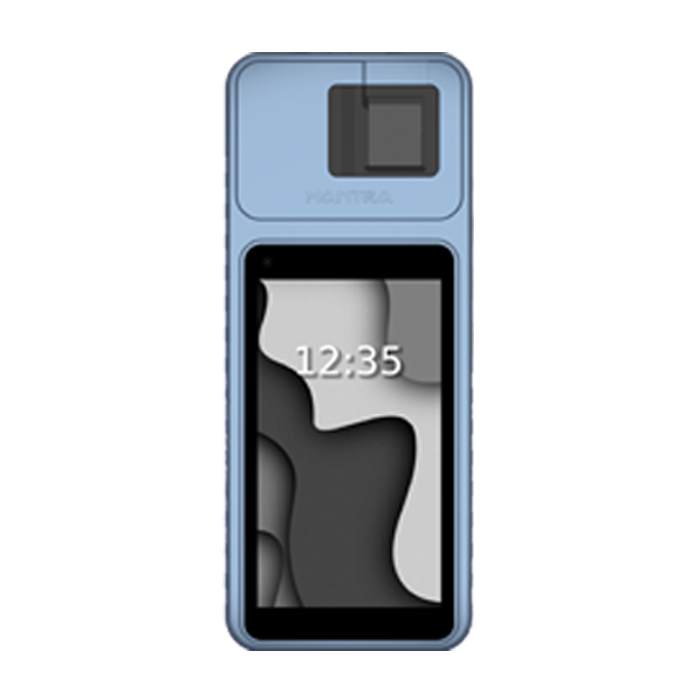
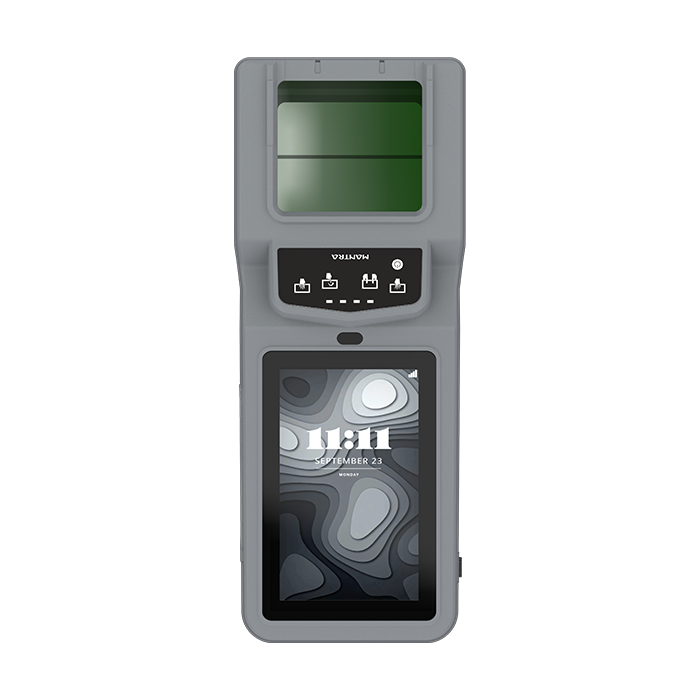
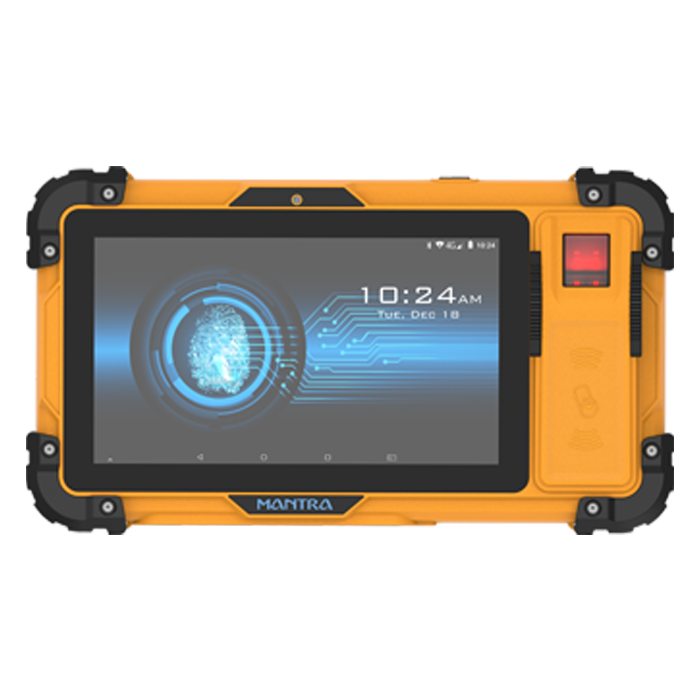
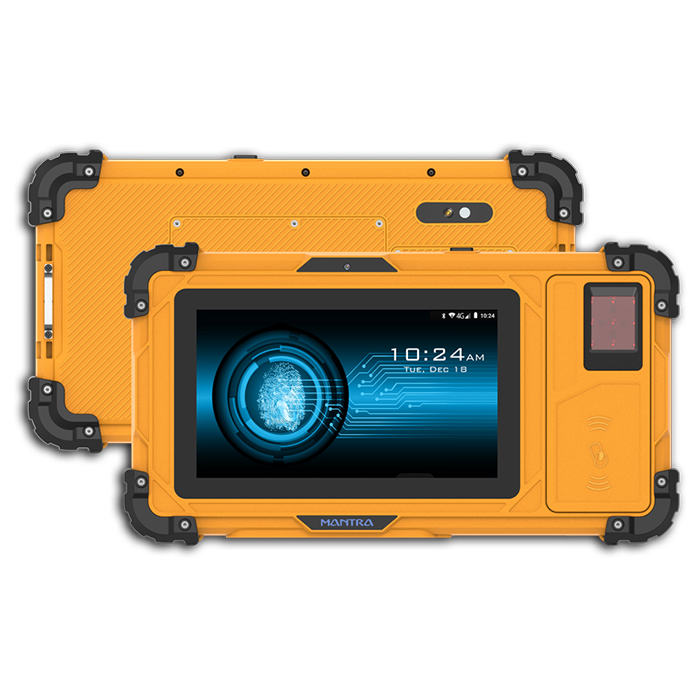
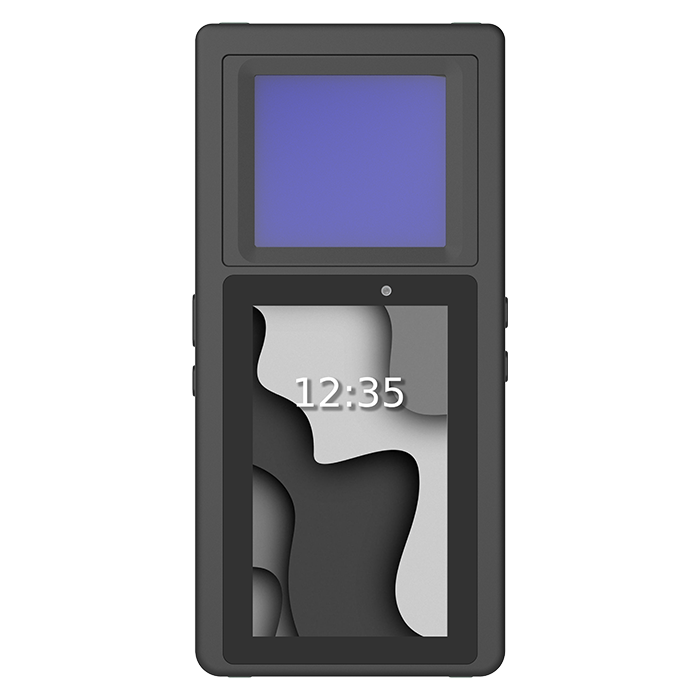
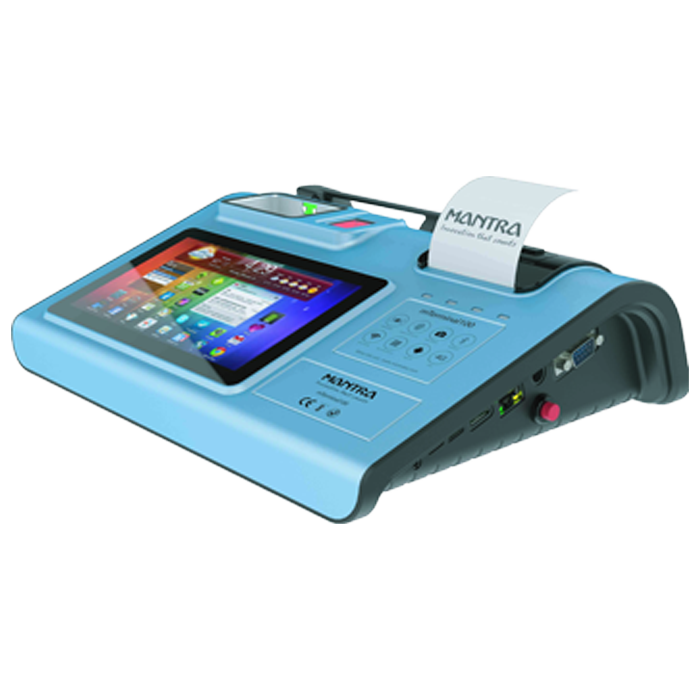
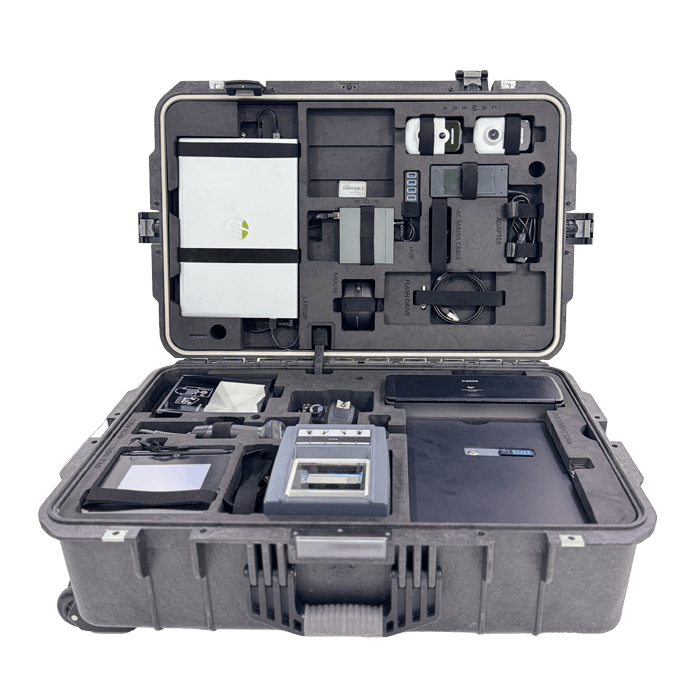
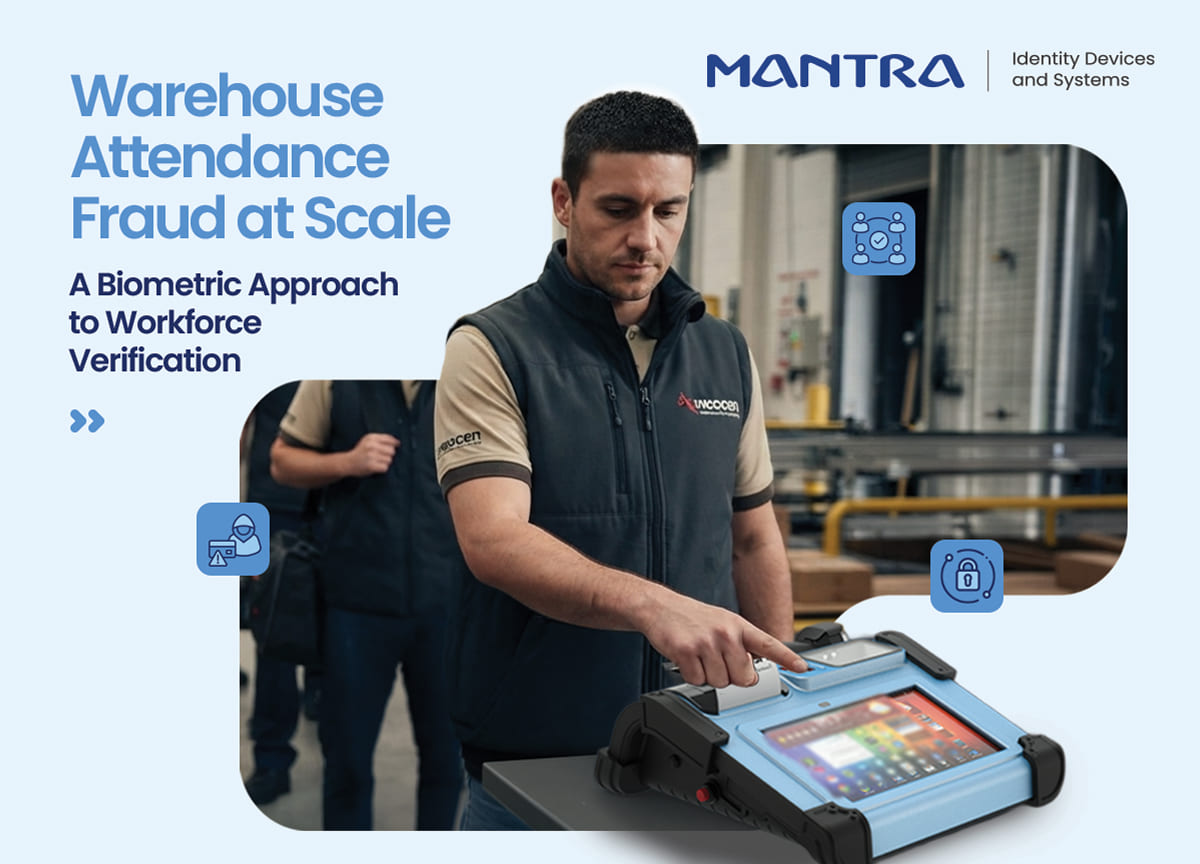
A biometric terminal, such as the mT100, can be placed at the designated employee attendance points to verify an employee’s identity based on fingerprint biometrics. The mT100 fingerprint user terminal has an optical FAP10 sensor that enables the employees’ attendance to be tracked based on their biometric data instead of using cards or personal identification numbers (PIN).Impact:
Using biometrics can help deter buddy punching and ensure that the records of who arrived for their shift are more accurate. -
Crisis 2: Administrative Overload
The Solution:
A biometric attendance system can digitize the employee’s verification at the moment of attendance and relay the information to the organization’s workforce management system, according to the overall software design and integration capabilities.The mT100 runs on Android 13 and offers diverse connectivity possibilities including 4G, Wi-Fi, Ethernet, and Bluetooth, making it a viable option for integration into connected attendance systems.
Impact:
Automating employee verification can save time spent on manual attendance recording and reduce errors due to shared credentials or inaccurate manual entries. -
Crisis 3: Compliance Vulnerability
The Solution:
Organizations can leverage biometric identification to ensure accurate time attendance records and reduce their reliance on manual employee registers. The data can be uploaded into the organization’s staff or payroll system for better management in accordance with their specific policies.Impact:
A better way to verify employees’ identities can help with greater transparency on employee attendance while also making it easier for the organizations to ensure proper attendance records for their internal review and audit purposes. -
Crisis 4: Operational Chaos
The Solution:
Biometric terminals can be positioned at various warehouses to ensure that employees are present when they are supposed to begin or end their shift. The organization can connect an attendance terminal to its workforce management software to manage attendance data of employees at different departments and shifts.Impact:
Reliable employee verification helps in establishing attendance patterns, which may contribute to more efficient workforce planning in routine operations and peak seasons.
Why Deploy a Warehouse Biometric Attendance System?
Adopting biometric attendance technology is not only about stopping theft. It’s about upgrading the entire process of managing employee attendance.
-
Eliminate Time Theft at the Source
By identifying individuals rather than relying on credentials, the biometric system closes the primary loop hole in warehouse attendance management. Every clock-in is a definite and verifiable individual which can improve payroll accuracy and reduce internal disagreements.
-
Operational Efficiency Gains
Automation of the attendance process eliminates various manual processes. This reduces the number of corrections needed by the managers and facilitates faster and efficient picking and loading of the warehouse. The information is then relayed to the managers who can therefore come up with ways to improve the picking speed and reduce the loading time and hence save time during the shipping process.
-
Improve Operational Efficiency
A computerized attendance record eliminates the need for reconciliation by reducing the number of discrepancies. Supervisors save time that would have been spent on reconciling errors and are better able to analyze staffing for each shift.
The ability to track attendance through the system gives management greater insight over the operations and allows them to focus on throughput and staffing rather than attendance issues.
-
Strengthen Compliance and Transparency
Keeping track of time worked and compensations allows to meet labour compliance requirements and perform internal audits. Overtime is calculated automatically based on policies. There is no need to spend time auditing paper records to generate reports.

Selecting Biometric Devices for Warehouse Operations
When choosing a rugged biometric terminal for warehouse attendance, it is essential to pay attention to factors such as the type of biometric identification, connection, and display, as well as other functions that may be required by the attendance management system.
Therefore, the terminal should ensure high performance of biometric data capture while also providing an opportunity to select a particular mode for storing and transmitting this information to the designated location in the organization. Other considerations may include a physical keyboard, touch screen, connectivity, and storage capabilities.
-
Authentication Technology
The decision to use a biometric identification method depends on the company’s needs and workflow. A fingerprint scanner or iris scanner can help to establish an identity-based approach to staff verification and eliminate the need for cards, shared credentials, and PINs.
-
Fingerprint Biometric Terminals for Warehouse Staff
Fingerprinting as a method of taking attendance of employees is effective because it involves a physical element of verification that is connected to the individual being marked.
The mT100 Biometric POS Terminal has a scratch free optically-based FAP10 fingerprint sensor with 500 DPI resolution. The fingerprint sensor of the mT100 has been certified to meet CE, FCC, RoHS, STQC L1, FBI PIV, and other standards as stated in the product specifications.
For taking attendance with fingerprints in a real-time warehousing environment, the mT100 can be installed at designated workstations where employees can authenticate their fingerprint to mark their presence.
-
Iris Authentication for Workforce Verification
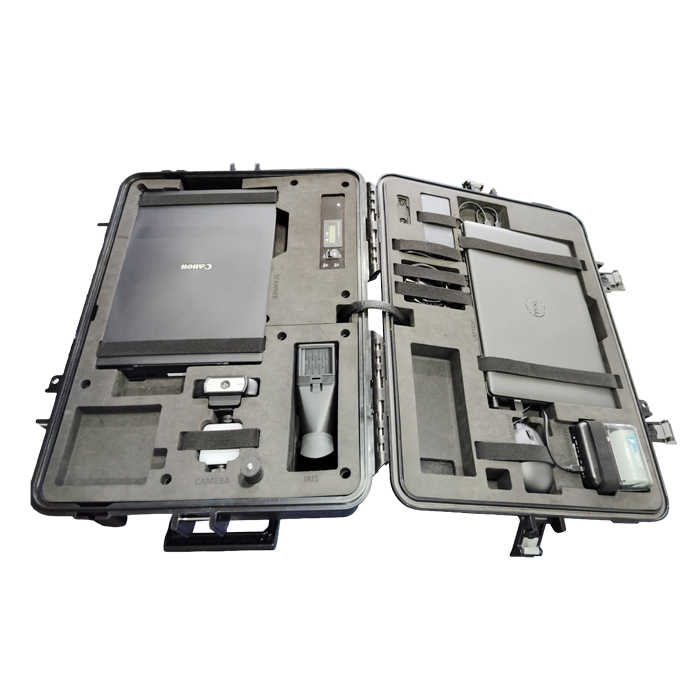
Where organizations require an additional biometric modality, the mT100 can be configured with an optional iris scanner.
The optional iris scanner offers 8-bit image resolution and 700-900 nm imaging wavelength. The product comes with certifications such as CE, FCC, RoHS, BIS, IP54, STQC Lo, and IEC 62471.
In this way, the solution provides organizations with an option to consider iris-based identification where the use case requires an additional biometric modality.
-
Connectivity & Deployment
Connectivity is a crucial criterion in choosing biometric terminals for warehouse use. The mT100 offers 2G, 3G, 4G, Wi-Fi, optional Ethernet, Bluetooth, and GPS. The device also has two Micro SIM slots and two SAM slots.
The mT100 operates on Android 13 with 2GB of RAM and 32GB of eMMC storage. This performance level ensures sufficient processing power and storage capacity, enabling the device to perform diverse tasks within the biometric attendance management system.
In other words, the mT100’s hardware is highly customizable to meet the unique requirements of any business in attendance management or workforce management software.
Finally, the mT100 also has a built-in 2-inch thermal printer to deliver printed receipts or transaction records, where applicable.
Partner With a Specialized Warehouse Biometric Terminal Provider
Implementing biometric time attendance in a warehouse requires more than installing devices at entry gates. It involves understanding shift rhythms, access control requirements, compliance obligations, and system integration pathways. Working with an experienced provider such as MIDS, in warehouse environments ensures that deployment aligns with operational realities.
From initial assessment to configuration and integration with payroll and WMS platforms, a structured approach minimizes disruption and accelerates return on investment. A well-planned biometric deployment does more than prevent time theft. It strengthens payroll integrity, supports compliance, and enhances workforce transparency across every shift.
If your warehouse is evaluating next steps, this is the right time to explore a tailored demonstration and operational assessment. The right biometric system does not simply track attendance. It reinforces operational discipline and protects long-term profitability.