

Why Spoof Detection Matters in Biometric Terminals
For years, biometric authentication was considered one of the safest bets in identity security. And honestly, that reputation wasn’t just for the name. Fingerprints, facial recognition, iris scanners, all of these bought something that password and PINs can never match, a credential that is connected to the person.
Businesses replaced access cards with fingerprint devices. The government rolled out large scale biometric enrollment for citizen programs. Banks added biometric verification into onboarding flows that used to take days now take minutes.
"That gap between matching and authenticating is where fraud gets in."
Today, identity systems aren’t just dealing with someone stealing a password or tailgating through a door. They’re facing deliberately engineered attempts to fool the sensors themselves. Fake fingerprints, silicon molds, printed facial images, artificial replicas designed to pass as the real thing.

Strong execution, clear communication, and consistent results. Highly recommend for reliable work and timely project delivery.
Why Spoof Detection Matters in Biometric Terminals
The shift made sense. It still does.
But as adoption grew, so did the sophistication of those trying to exploit it. And that’s where things get complicated.
This shift has quietly elevated spoof detection from a nice to have function into the most critical one a biometric terminal can have. With the shift conversation has moved on as well.
It is no longer just how fast a device authenticates someone. It's about whether the device can reliably tell that a fingerprint is of a real, living person standing in front of it.
The Growing Reality of Biometric Fraud
Biometric systems are built on trust. The moment that trust is compromised, the entire identity workflow unravels.
Across industries, organizations are seeing more cases of biometric fraud attackers attempting to bypass systems using copied or artificial biometric samples. Sometimes these attacks are opportunistic, some get the hold of latent fingerprint, and are trying their luck. Other times, the attempts are targeted and coordinated, aimed specifically at the system that looks secure but hasn't been tested against modern spoofing methods.
The number reflects how fast this is escalating
According to iProov’s Threat Intelligence Report 2025, virtual camera attacks, a method used to inject fake biometric samples directly into verification pipelines, surged by 2,665% year-over-year.
Face swap attempts grew by 300% in the same period. These aren't slow-moving trends. They're signals that the attack surface is expanding faster than most organizations realize.
A spoofing fingerprint attempt might involve any of the following:
Silicone or latex fingerprint replicas cast from a real print
Gelatin-based artificial fingerprints that mimic skin conductivity
High-resolution printed facial images used against optical sensors
Replayed digital biometric samples captured from a previous session
Manipulated identity enrollment attempts designed to create false records
What makes these attacks genuinely dangerous isn't just their creativity. It's that many older biometric terminals were built with matching performance as the primary goal, not spoof resistance. A device can verify a fingerprint in under a second and still have no idea whether that fingerprint came from a living person.
That gap between matching and authenticating is where fraud gets in.
Why Traditional Verification Is No Longer Enough?
Here is a simple example of how to frame the problem.
A biometric fingerprint terminal without spoof detection is essentially asking one question:
“Does this fingerprint match the stored template?”
Modern identity environment demand a second question run in parallel:
"Is this fingerprint real?"
That distinction matters enormously in sectors dealing with sensitive identities financial access, border movement, workforce attendance, citizen enrollment. These aren't environments where a small error rate is acceptable.
Traditional identity fraud losses reached $27.2 billion in 2024 a 19% increase from the prior year, according to Javelin Strategy & Research. New account fraud alone accounted for $5.4 billion of that.
When false biometric records enter a national identity system or a financial platform, even a handful of fraudulent enrollments can create downstream problems that take years to untangle.
This is why modern biometric terminal features increasingly go beyond matching speed to include liveness detection, spoof resistance, and intelligent image analysis. The goal isn't just authentication anymore. It's trusted authentication and there's a meaningful difference between the two.
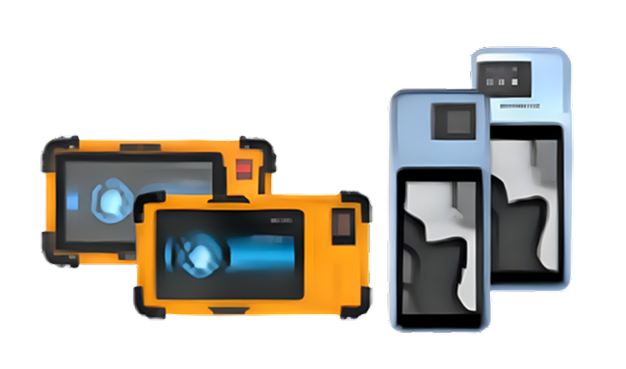
Why Devices Like MOXA 53 Matter in Modern Identity Environments?
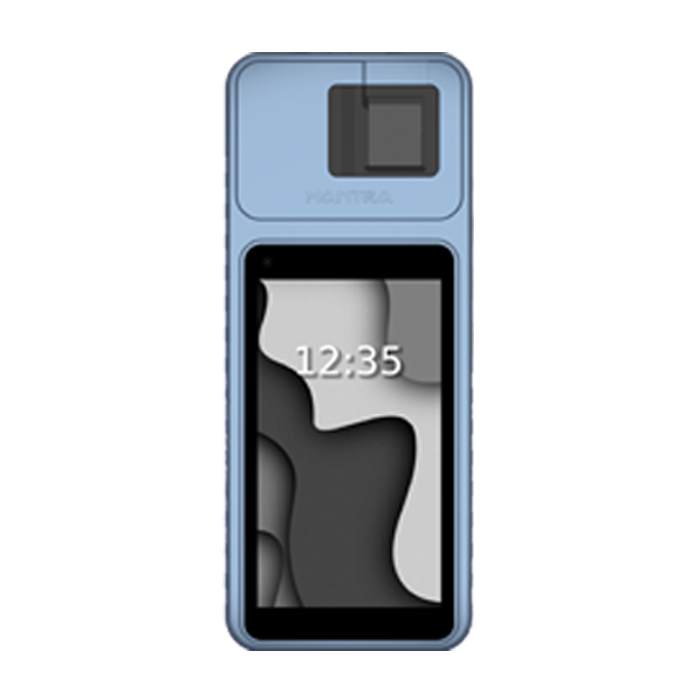
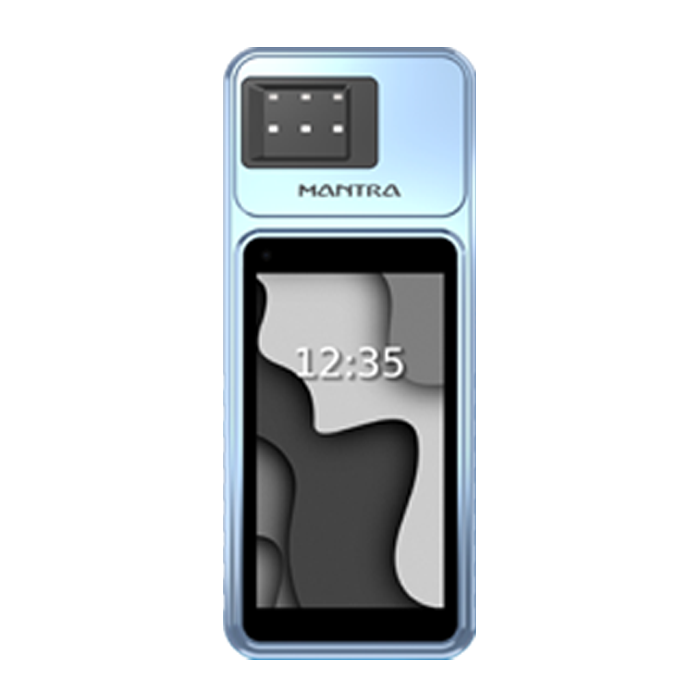
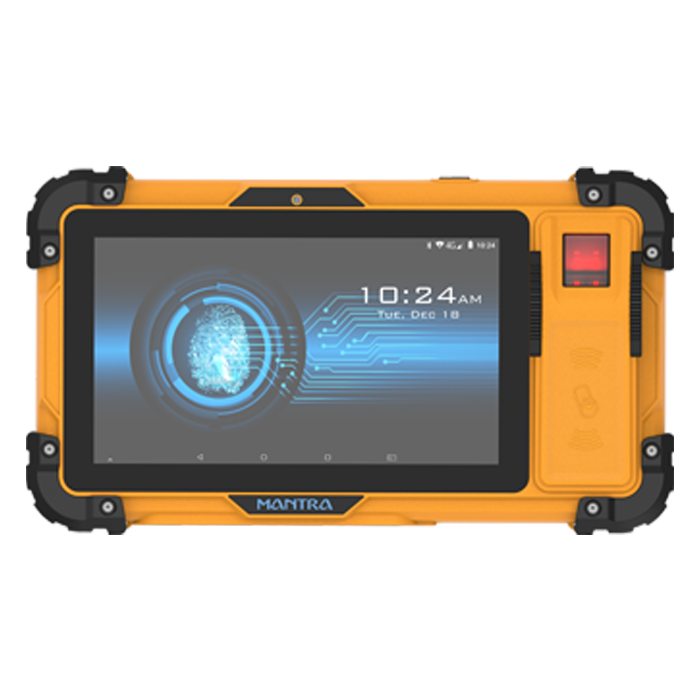
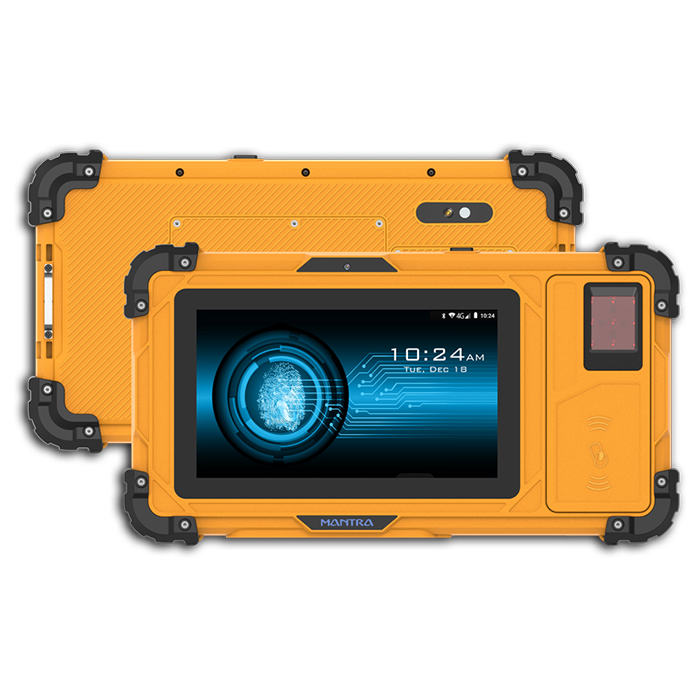
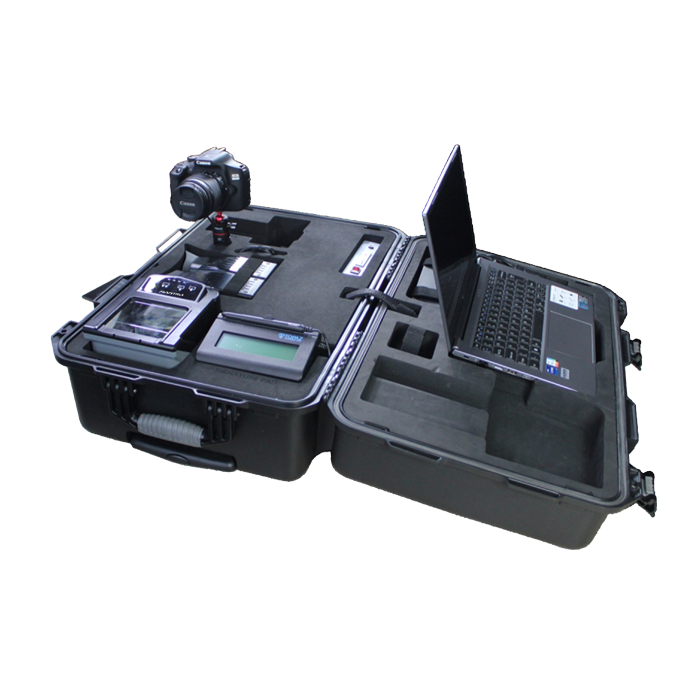
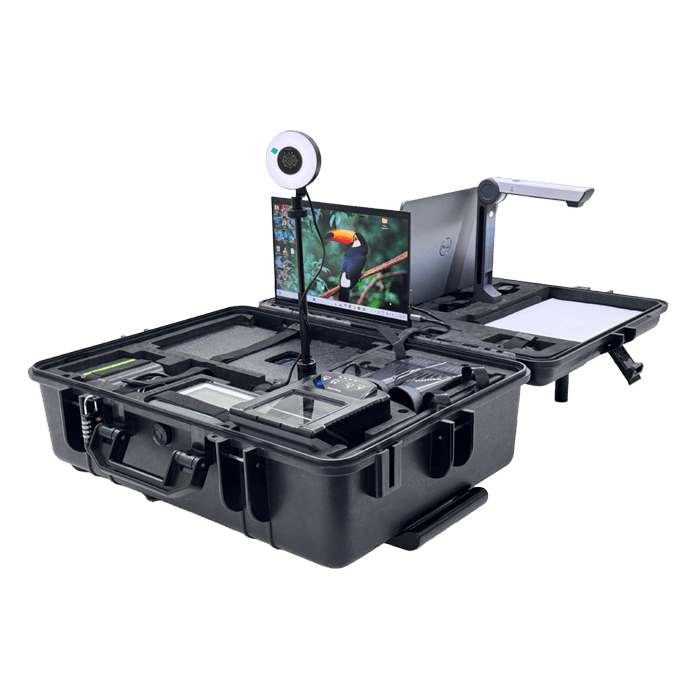
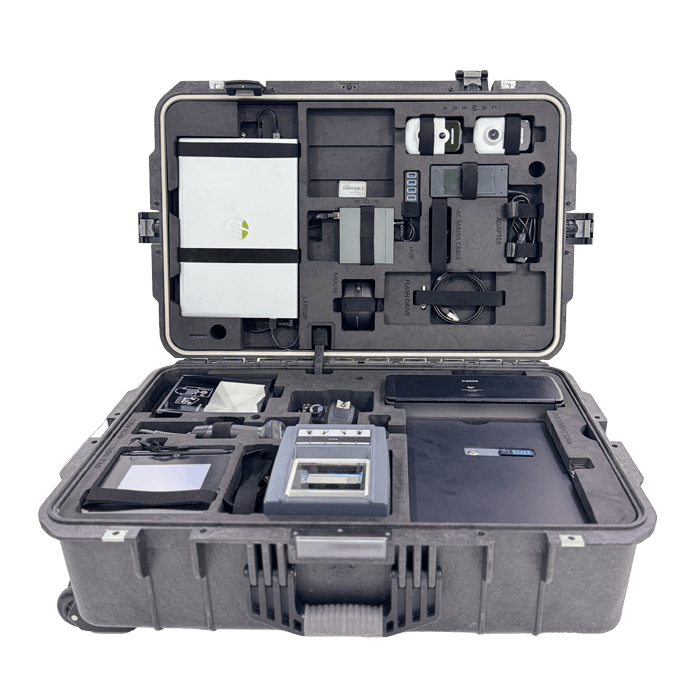
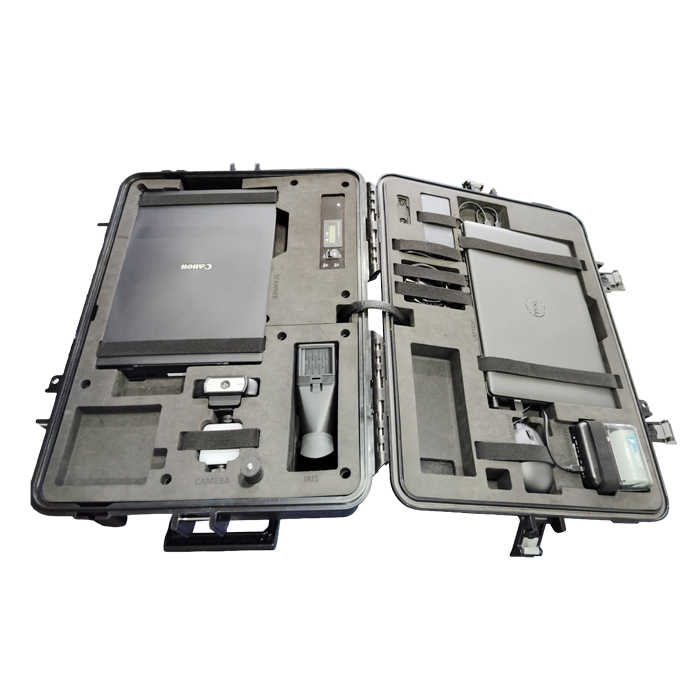
As organizations push toward mobile and field ready verification, the bar for biometric hardware has risen considerably. Devices like MOXA53 are built for environments where verification can't wait for a controlled office setting, where it needs to happen in the field, reliability, often under conditions that aren't ideal.
Think about what field operations actually look like. Officers and enrollment teams working outdoors. Lighting that shifts throughout the day. Fingerprint quality that varies depending on whether someone has dry hands, calluses, or worked a physical job for thirty years. Connectivity that drops in and out.
In that kind of environment, spoof-resistant biometric hardware doesn't just matter, it's necessary.
A biometric terminal like MOXA53 is built to handle these realities. Android based mobility, rugged field usability, advanced fingerprint capture. It's the kind of device that lets organizations run secure authentication workflows without anchoring them to a desk.
More importantly, intelligent terminals like this reduce the risk of fake enrollment attempts & unauthroized access during remote operations where someone isn't always looking over the operator’s shoulder.
Spoof Detection Is Becoming a Core Hardware Requirement
Not long ago, spoof detection was treated as a premium feature. Something that was reserved just for government installations or high-end security environments with dedicated security budgets. That’s no longer where the market is heading.
Customer concerns have moved in lockstep with the threat. Between 2022 and 2024, fear of misuse increased from 69% to 88%. While the concerns about data breaches grew from 69% to 86%.
These trends underscore heightened consumer apprehension about the safety of their biometric information.
Organizations evaluating biometric terminals today are asking informed questions upfront:
How does this sensor handle fake fingerprint attempts?
What image quality analysis does the device run before accepting a sample?
How does it perform in low light or outdoor conditions?
Does it support multi-layer authentication?
What AI-driven logic is running under the hood?
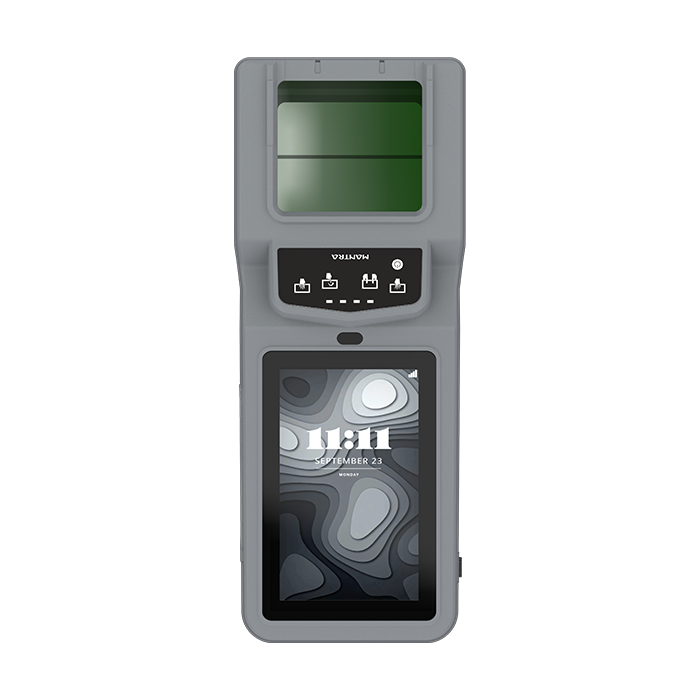
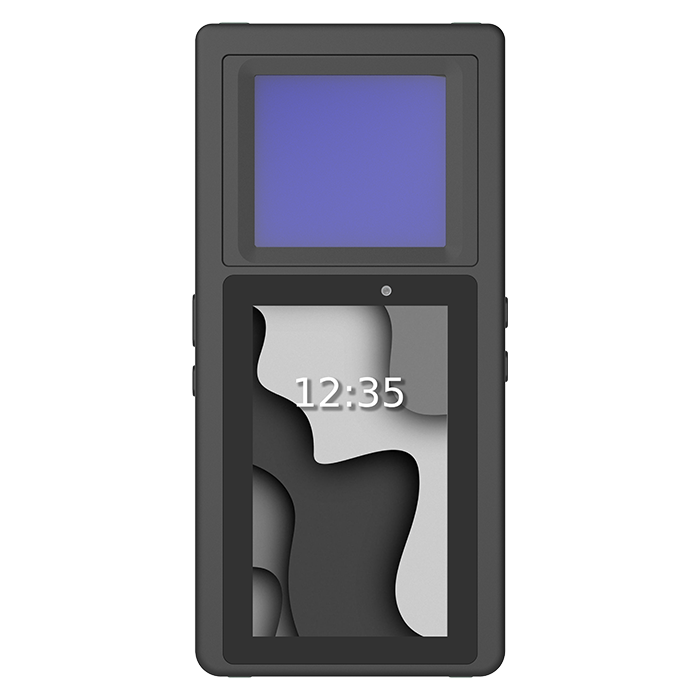
This shift is especially visible in mobile and field identity environments. A biometric handheld terminal used in law enforcement, border verification, telecom onboarding, or remote enrollment already has enough to contend with. Dust, humidity, limited connectivity, variable fingerprint quality. Layering in spoofing biometric attempts makes hardware intelligence not a luxury but a requirement.
The device has to do two jobs simultaneously:
Capture the biometric data accurately
Determine whether that data is genuine or not.
One without another is not feasible now.
The Human Side of Identity Security
It’s easy to talk about biometric security in abstract terms. False acceptance rates, liveness scores, sensor specifications. But it is worth remembering stepping back and remembering what’s actually at stake.
Behind every biometric transaction there is a real person.
A worker scanning in a secure facility. A citizen registering for a government benefit program. A patient accessing healthcare records. A traveller clearing a border checkpoint.
All these moments happen millions of times everyday, and most of the time nobody thinks about them. The system works, a person moves on, and life continues.
When spoofing biometrics succeeds, the ripple effects aren’t just technical. They affect the trust, compliance, safety and confidence the person has placed in a system meant to protect them.
According to IBM, the global average cost of data breach hits $4.88 million in 2024, a record high and a 10% jump from the previous year. And unlike a stolen password, a compromised fingerprint can't be reset. The damage tends to be permanent.
A workforce attendance system that can be gamed undermines fairness. A national identity database with fraudulent enrollments compromises public programs. A banking platform with weak biometric verification opens the door to financial harm for real people.
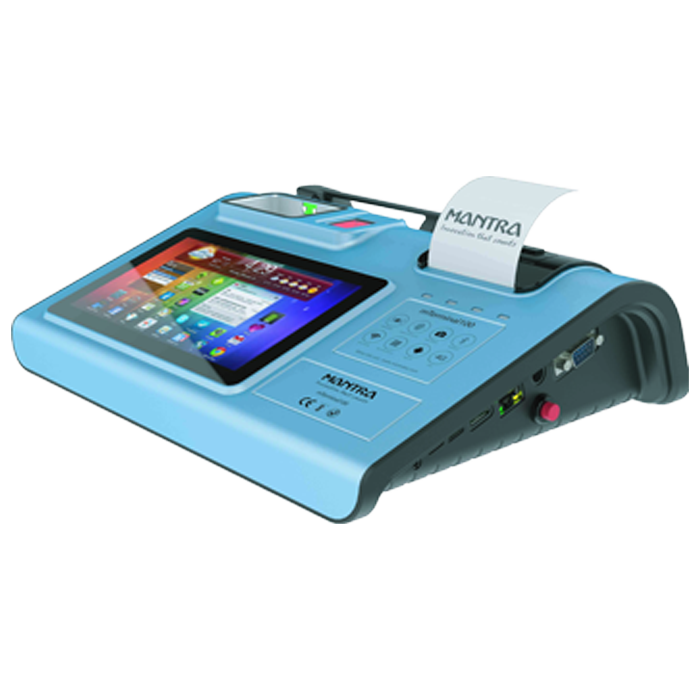
This is part of why organizations are moving toward more intelligent biometric access terminal deployments. They want systems that strengthen security without creating friction for people who have every right to be there. Authentication should be fast, yes. But it also needs to be reliable — and those two things shouldn't be in conflict.
How Modern Biometric Fingerprint Terminals Detect Spoofing Attempts
Modern biometric fingerprint terminals don’t rely on a single method to flag a fake sample. They run several layers of analysis simultaneously, each looking for something different.
These layers may include:
Surface texture analysis that goes deeper than ridge patterns
Blood flow or pulse detection to confirm a living finger
Skin conductivity checks that synthetic materials struggle to replicate
Micro level sweat pore analysis
Light & reflection response monitoring across wavelengths
AI-based image pattern recognition, trained on known spoof materials.
Some systems even go further and apply multi modal biometrics, fingerprint with facial rec, QR validation, or card-based authentication. This is to eliminate the single point of vulnerabilities entirely!
The layered approach isn't about making things hard for the legitimate users. It’s about making things significantly harder for someone who is trying to cheat the system. While doing so it is imperative to keep things smooth for everyone else. Security and Usability doesn't have to pull each other in opposite direction, best systems prove that everyday.
Why Device Intelligence Matters More Than Ever
The industry is trending toward smarter biometric hardware, and for good reason.
The concept of fingerprint device intelligence for fake account detection has moved from research papers into real operational deployments. Consider what Smile ID uncovered in its 2026 Digital Identity Fraud Report: more than 160,000 fraudulent verification attempts were traced back to just 100 facial identities in a single month some of those faces appeared over 12,000 times across multiple platforms. That's not random fraud. That's organized, scalable exploitation of systems that weren't built to see the pattern.
Intelligent biometric systems can identify suspicious enrollment patterns, flag repeated verification anomalies, and surface behavioral inconsistencies that a traditional scanner would simply miss. They're not just capturing data, they're analyzing it in context.
In high-volume environments, this kind of intelligence gives organizations tools they didn't have before:
Earlier detection of fake identity attempts before they enter the database
Reduced duplicate enrollments and ghost records
Stronger audit trails that hold up to compliance review
Better protection of identity databases that underpin critical services
As digital identity ecosystems grow larger and more interconnected, device intelligence will become as important as matching accuracy. Possibly more so. A fast device that can be fooled isn't an asset. An intelligent device that learns from what it sees that's infrastructure worth building on.
Real-World Biometric Security Examples
Across industries, the move toward spoof-resistant biometric systems is already well underway.
-
Banking and Financial Services
Banks use biometric terminals during customer onboarding and secure access verification to reduce fraudulent account creation and unauthorized transactions. AI-driven fraud now makes up 43% of all fraud attempts in the financial and payments sector, according to recent industry data, a figure that makes the case for intelligent, spoof-resistant verification more clearly than any whitepaper.
-
Government Identity Programs
National ID projects and citizen enrollment programs depend on biometric spoof detection to ensure that every record represents a real, unique individual. Duplicate or false registrations don't just inflate databases — they create vulnerabilities that can be exploited for years.
-
Workforce Attendance
Organizations using biometric fingerprint terminals for attendance management are increasingly adopting spoof-resistant systems to shut down buddy punching and fabricated attendance records. In large operations, even a modest level of attendance fraud adds up to significant financial loss over time.
-
Border and Law Enforcement
Field verification devices and biometric handheld terminal deployments help officers verify identities in mobile and remote environments where there's no option to fall back to a controlled office setup. In regions with high-volume verification needs, the threat is significant, a 2026 industry report found that nearly 65% of digital fraud attempts in parts of Africa were directly linked to biometric spoofing.
Across all of these biometric security examples, the pattern is consistent: authentication alone isn't the finish line. Verification has to confirm authenticity too.
How to Choose the Right Terminals?
Investing in a biometric infrastructure is a long term commitment, and the initial purchase decision matters. Speed and form factor are easy to evaluate. The harder questions take a bit of more digging than others.
When evaluating biometric terminals, the criteria worth spending time on include:
Spoof detection capability and the methods used
Sensor certification against recognized standards (ISO/IEC 30107-3 is the benchmark to look for)
Matching accuracy across diverse demographic groups
Environmental performance in real operational conditions
Multi-biometric support for layered verification
Device durability and field readiness
Encryption and data security architecture
Integration flexibility with existing systems
The difference between a terminal that performs in a controlled demonstration and one that holds up in daily operations isn't always obvious from a spec sheet. That's why understanding the technology behind the device, not just the features listed on a datasheet matters so much.
The Future of Trusted Authentication
Biometric authentication isn’t slowing down. It solves real problems that other methods can’t solve as cleanly. It reduces dependency on passwords people forge their credentials that get stolen. It brings accountability to systems that previously had none. It scales in ways that manual verification never could.
At the same time, spoofing methods will continue to evolve. According to an Experian report, 72% of business leaders already expect AI-generated fraud to be a top operational challenge in 2026. That's not pessimism — it's just how security works. Every layer of protection attracts attention from people trying to find a way around it.
That's exactly why spoof detection is no longer optional in modern biometric terminal deployments. It's becoming a foundational requirement — as basic as having a sensor at all. Organizations that build their identity infrastructure on hardware that can detect both identity and authenticity will be far better positioned as the threat landscape keeps shifting.
Because in the end, knowing who someone is has always mattered.
Knowing they're actually real — that's what makes the whole system worth trusting.